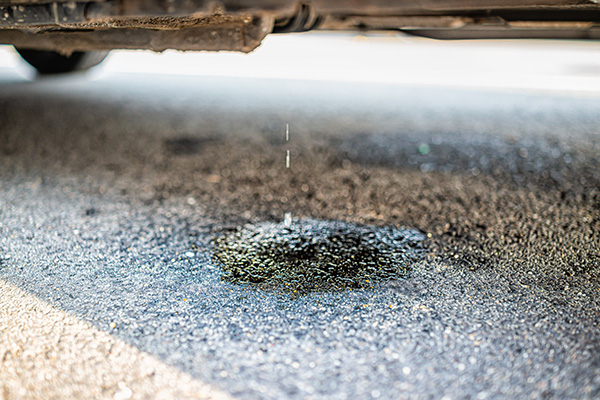
A small coolant leak is one of those problems that can trick you into waiting. The car still starts, the temperature gauge seems steady, and the puddle under the front end looks more like a nuisance than a threat. Then one day, the heater stops working the way it should, the warning light flashes, or the temperature needle climbs faster than you thought possible.
If you have been topping off coolant here and there, it is worth knowing what that slow leak can quietly set up behind the scenes.
How A Small Coolant Leak Turns Into A Big Problem
Your cooling system is designed to stay full and sealed, so it can move heat away from the engine without boiling. When coolant leaks out, the system can lose pressure, and pressure matters because it raises the boiling point and helps coolant circulate properly. Less pressure and less coolant together make it easier for hot spots to develop.
Another issue is air getting pulled in as coolant drops. Air pockets can reduce circulation and cause temperature fluctuations that the gauge may not show clearly. What looks like a minor leak can end up stressing hoses, gaskets, and the radiator, since the system starts working harder to keep up.
Symptom Timeline: What You Notice First And What Comes Next
At the start, you might notice a sweet smell after parking, a small wet spot under the car, or the coolant reservoir level dropping slowly. Sometimes the only clue is a chalky residue near a hose connection or around the radiator cap area. The car may still drive normally, which is why people often keep delaying a real fix.
As the leak grows, you may notice the heater getting inconsistent, especially at idle, since the heater core depends on proper coolant flow. The engine fan might run more often, and the temperature needle may move higher in stop-and-go traffic than it used to. If it reaches the point where you see steam, get a warning light, or have to add coolant frequently, you are no longer dealing with a small leak, you are dealing with a system that is close to failing at the worst time.
Common Leak Sources That Sneak Up On Drivers
Coolant can leak from obvious places, but it can also seep from areas that only drip when the engine is hot and the system is pressurized. That makes the problem feel random, especially if you only see a spot on the driveway once in a while. Here are a few common places we see leaks start.
- Radiator End Tanks And Seams: Plastic end tanks can age and crack, and seams can seep under pressure, then dry before you notice.
- Upper And Lower Radiator Hoses: Hoses soften over time, and clamps can loosen, especially after temperature swings and vibration.
- Water Pump Weep Hole: A failing water pump often leaks through a small vent, and it may start as a slow drip that grows quickly.
- Thermostat Housing And Gaskets: Many housings are plastic or aluminum, and even a small warp or gasket failure can cause seepage.
- Heater Core Or Heater Hoses: A leak here may show up as a sweet smell inside the cabin, foggy windows, or damp carpet near the firewall.
If coolant is disappearing but you cannot find a puddle, it can also be burning off on hot engine parts, or in more serious cases, entering the combustion process through an internal leak.
Owner Mistakes That Make Coolant Loss Worse
One common mistake is topping off with plain water repeatedly. Water can help you limp home in a pinch, but over time, it dilutes the coolant mixture, which reduces corrosion protection and can raise the risk of boiling. Another mistake is mixing coolant types without knowing what is already in the system. Some formulas do not play well together, and the result can be sludge-like buildup that restricts flow.
Ignoring the radiator cap is another big one. A weak cap can fail to hold pressure, increasing the risk of overheating even if the coolant level is not terribly low. We also see people keep driving after a single overheating event, assuming it was a one-time fluke. Even one serious overheating can damage seals and gaskets, which often turns a small external leak into a bigger, more expensive problem.
Why Overheating Can Cause Expensive Engine Damage
Engines are built to operate within a tight temperature range. When coolant is low, and circulation suffers, metal parts expand more than they should. That expansion can stress head gaskets, warp cylinder heads, and damage seals that were doing fine before the overheating started.
Overheating can also break down engine oil faster, since oil gets thinner at high temperatures and loses its ability to protect moving parts. In some cases, the engine may misfire, lose power, or trigger warning lights as sensors detect abnormal temperatures. The real danger is that the damage is not always immediate or obvious, it may show up later as persistent coolant loss, rough running, or repeated overheating.
What Needs Fixing ASAP
If you are adding coolant more than once in a while, or you have seen the temperature climb higher than normal, treat it as a serious situation. A cooling system pressure test can pinpoint external leaks, and a careful inspection can catch weak hoses, a tired cap, or a water pump starting to fail. Fixing a hose, gasket, or radiator early is usually far less expensive than dealing with an overheated engine.
If you only see a faint residue and the level drops very slowly, you may have a short window to plan repairs, but you should still get it checked soon. Keep an eye on the reservoir level, watch how the heater performs, and pay attention to fan behavior in traffic. If you notice the temperature rising, shut the car down as safely as you can and avoid driving it hot, because that is where the big costs tend to start.
Get Coolant Leak Repair in Fort Madison, IA, with Griffin Muffler & Brake Center
We can pressure-test your cooling system, track down the leak source, and recommend the right repair before overheating turns into engine damage. We’ll also check related parts like hoses, the radiator cap, and the water pump so you are not back in the same situation a month later.
Call Griffin Muffler & Brake Center in Fort Madison, IA, to schedule a cooling system inspection and stop that small leak from becoming a bigger problem.