Posted on 9/25/2026
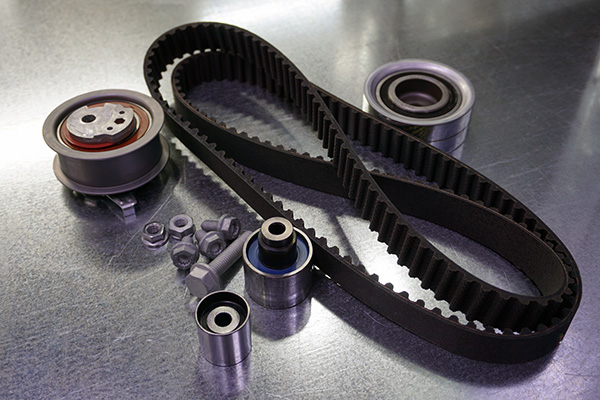
A timing chain is built to last a long time, so many drivers don't think about it until the engine starts making an unfamiliar noise. When the chain, tensioner, or guides begin to wear, the first warning is often a rattle that was not there before. That sound deserves attention because the timing chain keeps the crankshaft and camshafts synchronized. If the system becomes loose enough for the chain to jump timing, the engine can stop running correctly and, on some engines, serious internal damage can follow. Listen for a Rattle During Startup A brief metallic rattle immediately after starting the engine is one of the more recognizable signs of a timing chain system beginning to wear. It may be loudest after the vehicle has been parked for several hours and become quieter once oil pressure builds. Many engines use oil pressure to keep the chain tight. A worn tensioner can allow extra slack during startup before it fully extends. Worn chain guides can make the no ... read more
Posted on 8/28/2026
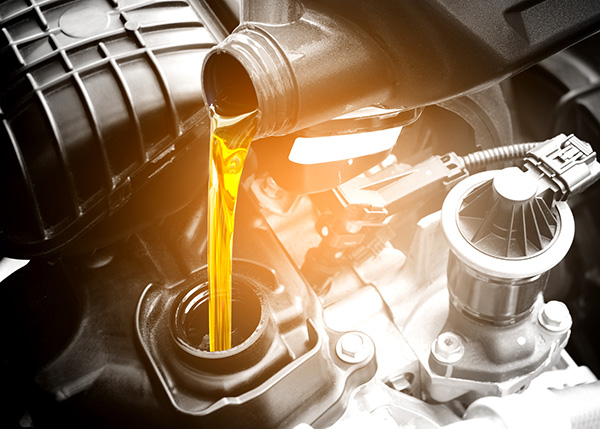
An engine oil pressure switch is a small part with an important job. It monitors oil pressure and sends a signal to the dashboard warning light or engine computer. On many engines, it screws directly into an oil passage, which means pressurized engine oil is sitting just behind it whenever the engine is running. That location is also why these switches can become a surprisingly common source of oil leaks. Heat, vibration, pressure cycles, aging seals, and plastic housings all work against the part over time. A leaking switch may start with nothing more than a damp spot, then progress until oil begins running down the engine or dripping onto the ground. How the Oil Pressure Switch Works Most oil pressure switches use an internal diaphragm that reacts to oil pressure. When pressure rises or falls past a certain point, the switch changes an electrical signal. On simpler systems, that signal controls the red oil-pressure warning light. Other vehicles use a pressure sens ... read more
Posted on 7/31/2026
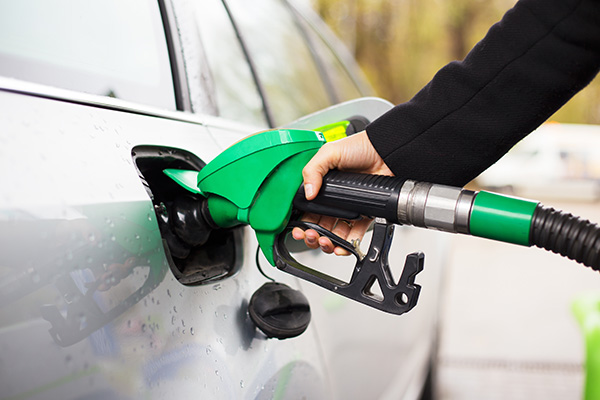
Fuel economy rarely drops for no reason. You may first notice that the gauge moves faster than before, that your usual tank no longer lasts through the week, or that you are stopping for fuel more frequently, even though your driving habits have not changed much. A small difference can come from weather, traffic, or extra idling. Still, a steady decline often points to tire pressure, overdue maintenance, sensor problems, brake drag, exhaust restrictions, or an engine that is no longer burning fuel efficiently. The car may still drive normally, and a warning light does not always appear right away. Your Driving Conditions May Have Changed Heavy traffic, repeated short trips, long periods of idling, and frequent hard acceleration all increase fuel use. An engine burns fuel while sitting still, and short trips may not allow it to reach its most efficient operating temperature. Carrying tools, cargo, or unused items in the trunk also makes the engine work harder. Seaso ... read more
Posted on 6/26/2026
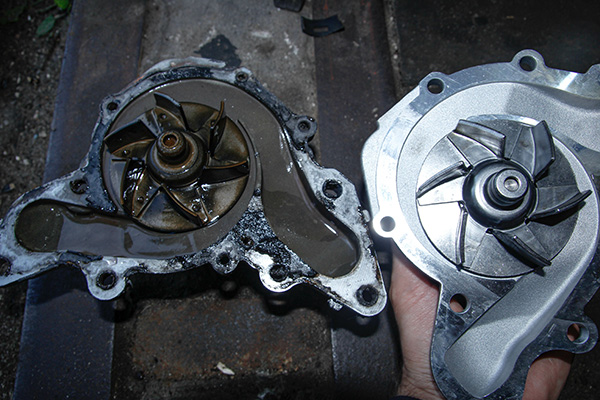
A bad water pump can turn a normal drive into an overheating problem faster than many drivers expect. The engine may seem fine at first, then the temperature gauge starts climbing, the heater blows strangely, or you notice a sweet smell after parking. Those clues can be easy to dismiss until the engine gets too hot. The water pump keeps coolant moving through the engine, radiator, heater core, and hoses. When it leaks, wears out, or fails to circulate coolant properly, heat builds up inside the engine. Catching the signs early can help prevent gasket damage, warped parts, and repairs that cost much more than the original cooling system problem. What The Water Pump Does In The Cooling System The water pump circulates coolant through the engine to carry away heat. Coolant absorbs heat as it passes through the engine, then releases that heat through the radiator. Without a steady flow, hot spots can form inside the engine. Some water pumps are driven by a belt, while ... read more
Posted on 5/29/2026
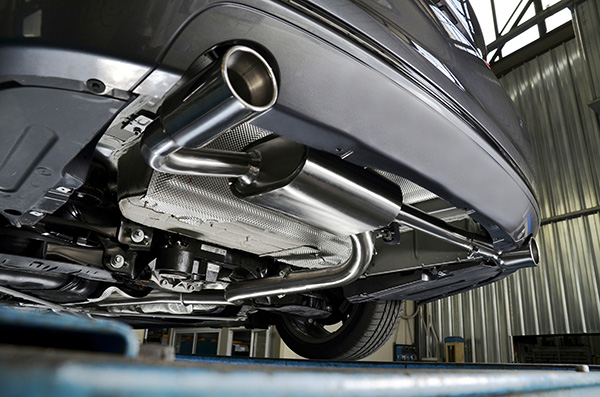
A loud exhaust can make a good car feel rough fast. One day, the vehicle sounds normal. Then you start hearing a deeper rumble, a rattle under the floor, or a sharp exhaust note every time you accelerate. The muffler might be the problem, but that doesn't necessarily mean it has to be replaced. Sometimes a repair makes sense. Other times, the metal is too rusted, cracked, or broken to trust for much longer. What The Muffler Actually Does The muffler quiets the exhaust before it leaves the tailpipe. Exhaust gases leave the engine in pulses, and the muffler uses chambers, tubes, and packing material to reduce the noise. Without it, the car sounds much louder and harsher. It also helps keep exhaust routed safely out the back of the vehicle. The muffler is not the same as the catalytic converter, and it does not clean emissions the way the converter does. Its ... read more
Posted on 4/30/2026
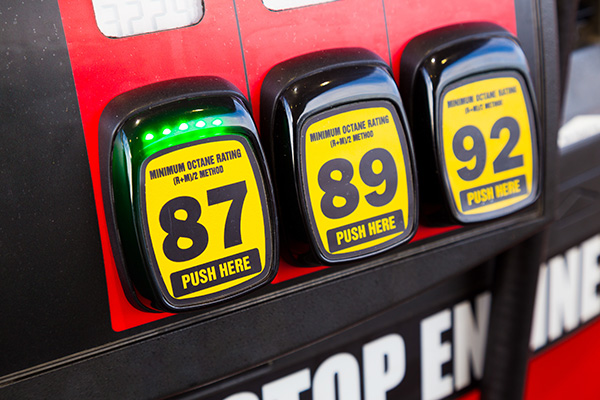
We’ve all seen the numbers on the gas station signs lately, and they aren't pretty. As of April 2026, we’re seeing national averages for regular unleaded hovering around $4.11 per gallon, with premium reaching well over $5.00 in many states. When you’re staring at a $20 difference for a single fill-up, it’s incredibly tempting to grab the yellow handle and save a few bucks. But if your car has a "Premium Fuel Only" sticker, you might feel like you're playing a dangerous game of Russian roulette with your engine. Let’s pull back the curtain on what’s actually happening inside your engine when you make that switch. The "Octane" Mystery: It's Not About Quality A common misconception we hear is that premium gas is "cleaner" or "higher quality" than regular. In reality, the octane rating (87, 89, or 91/93) is a measure of stability. High-performance engines—especially those wit ... read more
Posted on 3/27/2026
A rattle that shows up only when you accelerate can drive you nuts because it feels so specific. You hit the gas, you hear it. You let off, and it quiets down. That pattern usually means something is moving under load, vibrating as exhaust flow increases, or shifting just enough to tap another part. The good news is that the on-off pattern makes it easier to narrow down than a noise that happens all the time. Why Acceleration Triggers Rattles Acceleration changes two things at once. First, the engine and drivetrain twist slightly in their mounts, altering clearances and potentially causing loose parts to touch. Second, exhaust flow and vibration increase, which can turn a barely-loose heat shield into an obvious buzz. It also matters whether the rattle happens under light throttle or only when you get on it. A light throttle rattle can be a heat shield or small exhaus ... read more
Posted on 2/25/2026
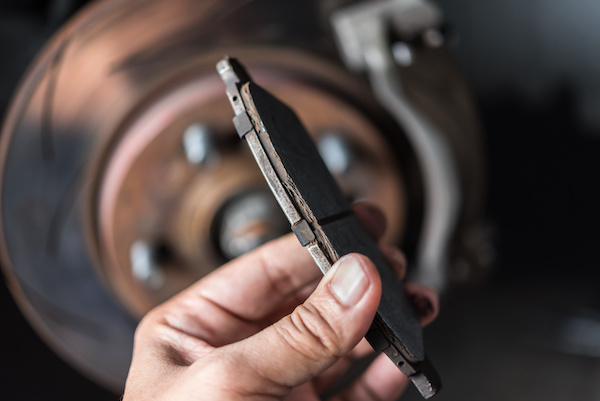
Brakes are one of the most important safety systems on your vehicle, yet they’re also surrounded by misinformation. From outdated advice passed down through generations to assumptions based on older vehicles, brake myths can lead drivers to delay service, ignore warning signs, or make unsafe decisions on the road. Understanding how modern braking systems work helps keep you safer and prevent unnecessary repairs. Let’s clear up some of the most common brake myths and explain what really matters when it comes to brake care. Myth: You Only Need Brakes Checked When You Hear Squealing One of the most widespread beliefs is that brakes only need attention when they start making noise. While squealing or grinding is often a sign of worn brake pads, not all brake problems announce themselves loudly. In fact, many issues develop quietly long before any noise occurs. Brake pads can wear ... read more
Posted on 1/30/2026
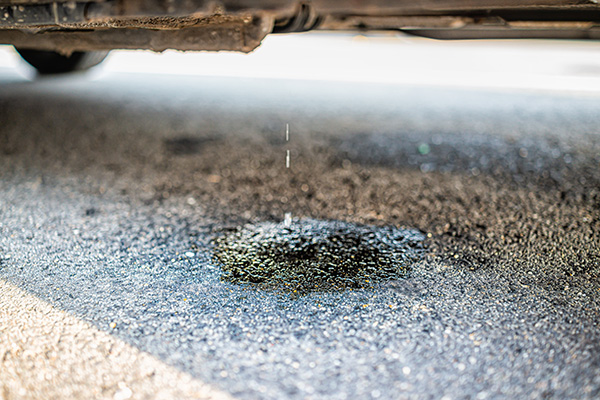
A small coolant leak is one of those problems that can trick you into waiting. The car still starts, the temperature gauge seems steady, and the puddle under the front end looks more like a nuisance than a threat. Then one day, the heater stops working the way it should, the warning light flashes, or the temperature needle climbs faster than you thought possible. If you have been topping off coolant here and there, it is worth knowing what that slow leak can quietly set up behind the scenes. How A Small Coolant Leak Turns Into A Big Problem Your cooling system is designed to stay full and sealed, so it can move heat away from the engine without boiling. When coolant leaks out, the system can lose pressure, and pressure matters because it raises the boiling point and helps coolant circulate properly. Less pressure and less coolant together make it easier for hot spots to develop. Another issue is air getting pulled in as coolant drops. Air pockets can reduce circula ... read more