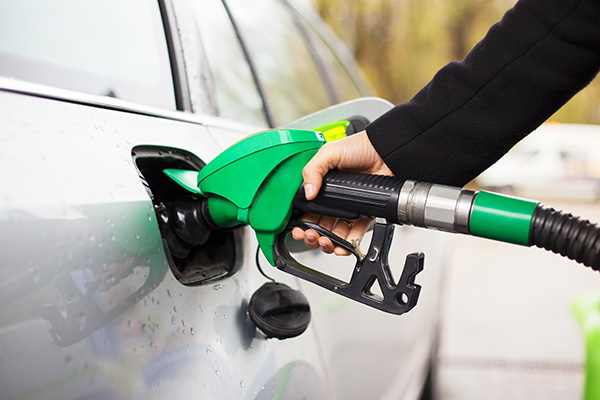
Fuel economy rarely drops for no reason. You may first notice that the gauge moves faster than before, that your usual tank no longer lasts through the week, or that you are stopping for fuel more frequently, even though your driving habits have not changed much.
A small difference can come from weather, traffic, or extra idling. Still, a steady decline often points to tire pressure, overdue maintenance, sensor problems, brake drag, exhaust restrictions, or an engine that is no longer burning fuel efficiently. The car may still drive normally, and a warning light does not always appear right away.
Your Driving Conditions May Have Changed
Heavy traffic, repeated short trips, long periods of idling, and frequent hard acceleration all increase fuel use. An engine burns fuel while sitting still, and short trips may not allow it to reach its most efficient operating temperature. Carrying tools, cargo, or unused items in the trunk also makes the engine work harder.
Seasonal changes can affect mileage too. Cold starts require more fuel, while hot weather may keep the A/C compressor and cooling fans working harder. Before assuming something has failed, compare several full tanks and think about whether your routes, driving speed, passenger load, or time spent in traffic have changed.
Low Tire Pressure Creates Extra Resistance
Underinflated tires flatten more against the pavement and flex with every rotation. That added resistance forces the engine to use more fuel just to keep the vehicle moving. The change may be too gradual to feel from the driver’s seat, yet it can still show up at the gas pump.
Pressure should be checked when the tires are cold and adjusted to the vehicle manufacturer’s specification, not the maximum number printed on the tire. Uneven wear, poor alignment, and tires that are not suited to the vehicle can add resistance as well. A tire inspection can catch several of these concerns at the same time.
Worn Ignition Parts Can Waste Fuel Quietly
Spark plugs and ignition coils help ignite the air-fuel mixture in each cylinder. As plugs wear, their gaps increase, and the spark can weaken. A coil may also lose strength from heat and age without failing completely.
The engine computer can compensate for mild ignition wear, which is why the car may still feel fairly normal. You might notice slower acceleration, an occasional stumble, or reduced mileage before a check engine light appears. If the engine begins misfiring badly, unburned fuel can also damage the catalytic converter.
Dirty Sensors Can Send The Wrong Information
The engine computer depends on sensors to calculate how much fuel to deliver. A dirty mass airflow sensor can misread incoming air, while a slow oxygen sensor may report an inaccurate mixture. A faulty coolant temperature sensor or thermostat can make the computer think the engine is colder than it really is.
When that happens, the system may add more fuel than necessary. The vehicle may start and run without any obvious complaints, but fuel economy drops and the exhaust may smell stronger than usual. Looking at live sensor data is more useful than replacing parts based only on a mileage change.
Dragging Brakes Make The Engine Work Harder
A sticking brake caliper, seized slide pin, restricted brake hose, or parking brake that does not release fully can keep a wheel from rolling freely. Even light drag creates resistance, and the engine has to burn more fuel to overcome it.
You may notice the car pulling slightly, reduced coasting distance, a hot smell, or one wheel that feels much hotter after driving. Sometimes the only early clue is poorer mileage. Brake drag should be repaired quickly because it can overheat pads, rotors, bearings, and nearby components.
Fuel And Airflow Problems Can Reduce Efficiency
A clogged air filter, dirty throttle body, vacuum leak, leaking injector, weak fuel pump, or incorrect fuel pressure can all disturb the balance the engine needs. Some problems cause hesitation or rough idle, while others simply make the vehicle use more fuel than before.
Fuel injectors can also leak after the engine is shut off or deliver an uneven spray pattern. That can lead to hard starting, fuel odor, dark exhaust, or deposits inside the engine. Testing fuel pressure, injector operation, airflow readings, and fuel trim data helps identify the cause without replacing unrelated parts.
Exhaust Restrictions Can Make The Car Feel Heavy
The exhaust system has to let burned gases leave the engine. A restricted catalytic converter or a damaged muffler can create backpressure, making it harder for the engine to breathe. The car may feel sluggish, struggle at higher speeds, or require more throttle to maintain the same pace.
Exhaust leaks can create a different problem if they allow outside air to reach an oxygen sensor. The sensor may report a lean mixture, leading the computer to add extra fuel. Regular maintenance and a careful inspection can reveal exhaust damage, sensor concerns, or restrictions before mileage drops further.
Track Fuel Economy Before Assuming The Worst
Dashboard fuel-economy displays are useful, but they are not always exact. A better method is to fill the tank, reset the trip meter, drive normally, then divide the miles driven by the gallons used at the next fill-up. Repeat the calculation over two or three tanks for a clearer picture.
If mileage continues to fall, note any other changes such as fuel odor, rough idle, weak acceleration, brake smell, warning lights, or tire wear. Those details help narrow the search and give the technician a stronger starting point.
Get Poor Fuel Economy Diagnostics In Fort Madison, IA, With Griffin Muffler & Brake Center
If your car is using more gas than it used to, Griffin Muffler & Brake Center in Fort Madison, IA, can check the tires, brakes, ignition system, sensors, fuel delivery, airflow, and exhaust.
Contact us to schedule an appointment and find out where that extra fuel is going.